
Noticing grey hair in your 20s or early 30s can be frustrating and may affect your confidence. While greying is a natural part of ageing, premature greying can happen due to several factors, including genetics, nutritional deficiencies, stress, and lifestyle habits. Understanding the actual cause is important before choosing any treatment. If you are experiencing early greying, consulting a specialist for Hair Treatment in BTM Layout can help you understand your hair concerns and explore suitable solutions.
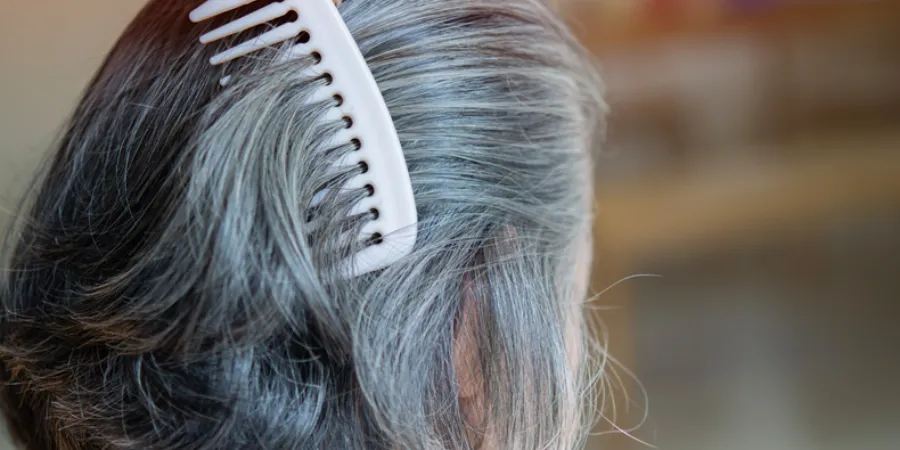
Genetics is one of the most common reasons for premature greying. If your parents or grandparents experienced grey hair at an early age, you may have a higher chance of experiencing it too. Genetic factors influence when your hair follicles gradually reduce melanin production, the pigment responsible for your natural hair colour.
Your hair needs essential vitamins and minerals to maintain its health and natural pigmentation. Deficiencies in vitamin B12, iron, folate, and certain minerals may be associated with premature greying. A balanced diet containing green vegetables, fruits, nuts, eggs, dairy products, and protein-rich foods can support overall hair health. If a deficiency is suspected, a dermatologist may recommend appropriate blood tests.
Chronic stress may contribute to premature hair greying by affecting the pigment-producing cells in hair follicles. Smoking, inadequate sleep, and unhealthy lifestyle habits may also contribute to oxidative stress, which can affect hair health. Maintaining a balanced routine, exercising regularly, and practising relaxation techniques can support overall well-being.
Certain medical conditions, including thyroid disorders and autoimmune conditions such as vitiligo, may be associated with changes in hair pigmentation. If you notice sudden or rapid greying, it is advisable to consult a dermatologist. A specialist can assess your symptoms and recommend investigations if required.
Treatment depends on the underlying cause. If premature greying is associated with a nutritional deficiency or an underlying medical condition, addressing that problem may help manage further changes. However, there is currently no proven treatment that reliably restores the original colour of all grey hair.
A professional consultation at a Skin and Hair Clinic in BTM Layout can help identify possible contributing factors and determine an appropriate hair care plan. Avoid relying on unverified home remedies or supplements without medical advice.
Follow these simple habits to support healthier hair:
- Eat a balanced diet with essential vitamins and minerals.
- Avoid smoking and excessive chemical hair treatments.
- Manage stress through exercise, yoga, or meditation.
- Maintain a regular sleep schedule.
- Use gentle shampoos and suitable hair care products.
- Consult a dermatologist if greying progresses rapidly.
Conclusion:
Premature greying is not always a sign of an underlying health problem, but understanding its cause is essential for proper management. Genetics, nutritional deficiencies, stress, and medical conditions can all play a role. Instead of trying unproven remedies, seek professional guidance for an appropriate evaluation. For personalised advice and suitable solutions, consider Hair Treatment in BTM Layout at a trusted Skin and Hair Clinic in BTM Layout to support your hair health and confidence.
FAQs:
1. Why does hair turn grey at a young age?
Early greying can occur due to genetics, nutritional deficiencies, smoking, stress, and certain medical conditions that affect melanin production.
2. Can stress cause premature grey hair?
Yes. Research suggests that prolonged stress may affect pigment-producing cells in hair follicles and contribute to premature greying.
3. Can vitamin deficiencies cause grey hair?
Yes. Vitamin B12 deficiency and certain other nutritional deficiencies have been associated with premature greying. Medical evaluation can help identify deficiencies.
4. Can premature grey hair turn black again?
In most cases, naturally grey hair does not regain its original colour. However, treating an underlying deficiency or medical condition may help in some cases.
5. Does plucking one grey hair increase grey hair growth?
No. Plucking one grey hair does not cause more grey hairs to grow. However, repeated plucking may damage the hair follicle.