
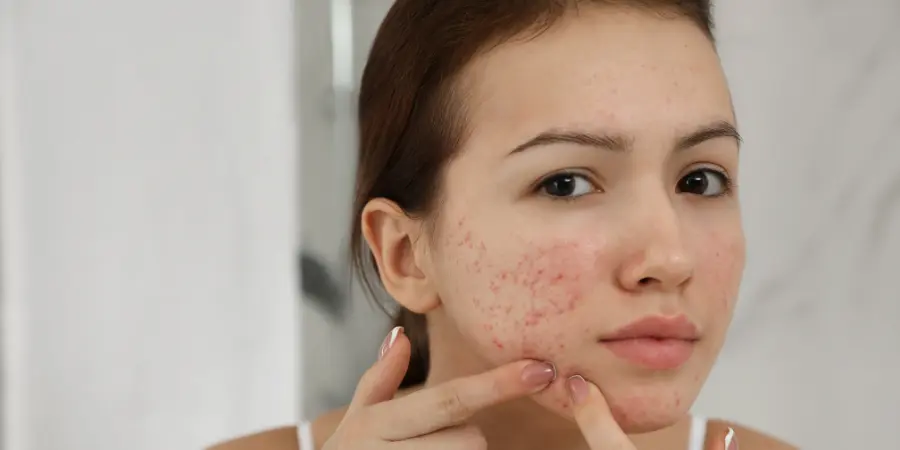
Acne can be frustrating, especially when pimples keep returning despite following a skincare routine. Persistent acne may happen because of hormonal changes, clogged pores, unsuitable skincare products, stress, diet, or incorrect treatment. Understanding the underlying cause is important before choosing a solution. If acne has already left dark spots or scars, people looking for Acne scar removal in BTM Layout can also consider professional dermatological guidance for appropriate treatment.
Dark circles under the eyes are common, but they do not always have the same cause. Some people have brown pigmentation, while others notice a bluish or purple tint, hollowness, or shadows caused by under-eye bags. Identifying the type of dark circles you have is the first step toward choosing the right solution. If you are unsure about the cause or your dark circles are persistent, consulting the best dermatologist in BTM Layout can help determine the most suitable treatment for your skin.
1. Using the Wrong Skincare Products
Heavy creams, oily cosmetics, or products that clog pores may contribute to breakouts. Choose products labelled non-comedogenic and avoid frequently changing your skincare routine.
2. Hormonal Changes
Hormonal fluctuations can increase oil production and lead to persistent acne. Hormonal acne is often seen around the jawline, chin, and lower face and may require professional evaluation if it continues.
3. Overwashing or Scrubbing
Washing your face too frequently or using harsh scrubs can irritate the skin and damage its protective barrier. A gentle cleanser used appropriately is generally preferable to aggressive cleansing.
4. Picking or Popping Pimples
Squeezing acne can increase inflammation and may increase the risk of pigmentation and scarring. Avoid touching active breakouts unnecessarily.
5. Inconsistent Treatment
Many acne treatments take several weeks to show noticeable improvement. Stopping a treatment too soon or frequently switching between products can make it difficult to determine what is actually helping.
6. Stress and Lifestyle Factors
Stress does not necessarily cause acne on its own, but it can worsen existing breakouts in some people. Poor sleep and other lifestyle factors may also affect overall skin health.
Start with a simple skincare routine: use a gentle cleanser, an appropriate acne treatment recommended for your skin type, a non-comedogenic moisturizer, and daily sunscreen. Avoid harsh scrubbing and resist the temptation to pop pimples. If acne is persistent, painful, widespread, or leaving scars, consult a dermatologist. A professional can determine whether the acne is related to hormones, inflammation, blocked pores, medications, or another factor and recommend suitable treatment.
Once active acne is controlled, treatments for residual acne marks or scars may be considered. Those searching for Acne scar removal in BTM Layout should have their scars assessed first because different types of acne scars may require different approaches.
Conclusion:
Acne that does not improve may require more than simply changing skincare products. Identifying possible triggers, following a consistent routine, avoiding pimple picking, and seeking professional advice when necessary can help manage persistent acne. Once active breakouts are under control, appropriate treatment can also address leftover marks and scars. For people considering Acne scar removal in BTM Layout, a professional skin assessment is an important first step toward choosing a suitable treatment plan.
FAQs:
1. Why is my acne not going away?
Persistent acne can have several causes, including hormonal fluctuations, unsuitable skincare products, inflammation, stress, or an ineffective treatment routine. A dermatologist can help identify the likely cause.
2. How long does acne treatment take to work?
Many acne treatments require consistent use for several weeks before significant improvement becomes visible. Results vary depending on the severity and type of acne.
3. Can popping pimples cause acne scars?
Yes. Picking or squeezing pimples can increase inflammation and tissue damage, potentially increasing the risk of scars and pigmentation.
4. Can skincare products make acne worse?
Yes. Certain oily or pore-clogging products may contribute to breakouts. Non-comedogenic products are generally preferable for acne-prone skin.
5. Can acne scars be removed completely?
The outcome depends on the type and depth of the scar. Professional treatments can often improve the appearance of acne scars, but complete removal is not always possible.