
Dark circles under the eyes are common, but they do not always have the same cause. Some people have brown pigmentation, while others notice a bluish or purple tint, hollowness, or shadows caused by under-eye bags. Identifying the type of dark circles you have is the first step toward choosing the right solution. If you are unsure about the cause or your dark circles are persistent, consulting the best dermatologist in BTM Layout can help determine the most suitable treatment for your skin.
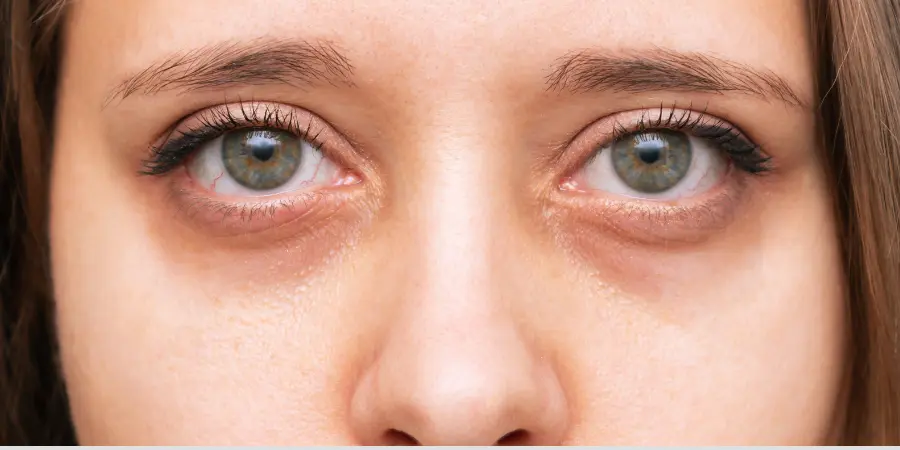
Pigmented dark circles usually appear brown or dark brown. They are often associated with increased melanin production and may become more noticeable with sun exposure, rubbing the eyes, allergies, or certain skin conditions.
Possible solutions: Use a broad-spectrum sunscreen around the eye area, avoid rubbing your eyes, and follow a dermatologist-recommended skincare routine. Depending on the cause and severity, professional treatments may also be considered.
Vascular dark circles can look blue, purple, or reddish because blood vessels beneath the thin under-eye skin become more visible. Lack of sleep, fatigue, allergies, and naturally thin skin can make them more noticeable.
Possible solutions: Adequate sleep, managing allergies, gentle skincare, and cold compresses may temporarily improve their appearance. A dermatologist can recommend professional options when necessary.
Sometimes the problem is not pigmentation at all. Hollowing beneath the eyes can create shadows that make the area appear darker. This can become more noticeable with ageing as facial volume changes.
Possible solutions: Treatment depends on the underlying structure. A dermatologist may assess whether skincare, energy-based treatments, or other aesthetic procedures are appropriate.
Puffiness or under-eye bags can cast shadows, creating the appearance of dark circles. Genetics, ageing, fluid retention, allergies, and lifestyle factors may contribute to this appearance.
Possible solutions: Reducing excess salt intake, getting sufficient sleep, managing allergies, and using a suitable eye-care routine may help. Persistent or pronounced bags may require professional evaluation.
Dark circles can have more than one cause. For example, pigmentation may occur together with hollowness or visible blood vessels. A dermatologist can examine your skin and determine whether the darkness is primarily pigmentary, vascular, structural, or a combination of factors. This helps ensure that treatment is targeted rather than based only on appearance.
Conclusion:
Dark circles are not a one-size-fits-all concern. Understanding whether yours are caused by pigmentation, visible blood vessels, facial hollowness, puffiness, or a combination can help you choose an appropriate approach. If home care is not improving persistent dark circles, consider consulting the best dermatologist in BTM Layout for a professional skin assessment and personalized treatment plan.
FAQs:
1. What is the most common cause of dark circles?
Dark circles can result from several factors, including genetics, pigmentation, visible blood vessels, ageing, allergies, lack of sleep, and under-eye hollowness. More than one factor can contribute at the same time.
2. Can lack of sleep cause dark circles?
Yes. Poor sleep can make the skin appear dull and may make blood vessels beneath the thin under-eye skin more noticeable. However, persistent dark circles may have other underlying causes.
3. Can dark circles be permanently removed?
The outcome depends on the cause. Some types can be significantly improved with appropriate skincare or professional treatment, while genetically influenced or structural dark circles may require ongoing management.
4. Is sunscreen useful for dark circles?
Yes. Sun exposure can worsen pigmentation around the eyes. Using appropriate broad-spectrum sun protection can help prevent pigmentation from becoming more pronounced.
5. When should I see a dermatologist for dark circles?
Consider professional evaluation if dark circles persist despite adequate sleep and skincare, become increasingly noticeable, or are accompanied by swelling, irritation, itching, or other skin changes.