
Pigmentation issues are among the most common skin concerns seen by a Dermatologist BTM Layout. Among the different types of pigmentation, melasma is one of the most challenging conditions because it tends to recur and requires long-term management. If you’re struggling with dark patches on your face, consulting a Dermatologist BTM Layout can help identify the underlying cause and recommend the most suitable treatment plan for healthier, even-toned skin.
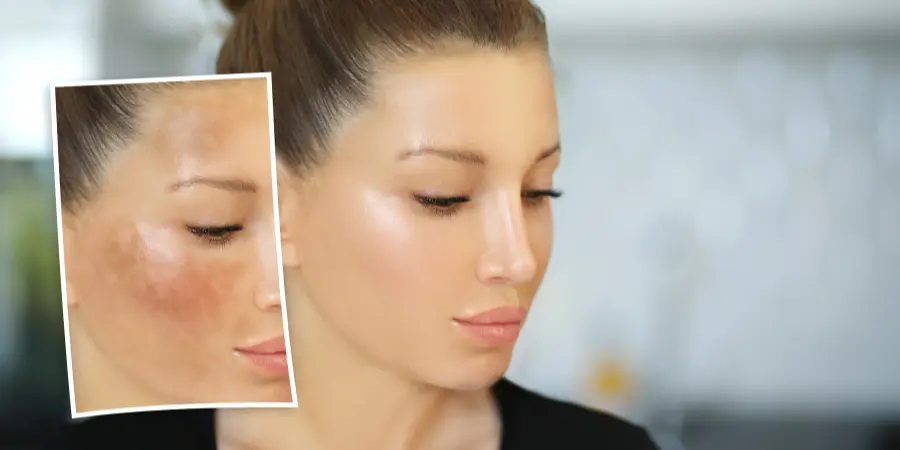
What Is Pigmentation?
Pigmentation refers to the coloring of the skin caused by a pigment called melanin. When melanin production becomes excessive or uneven, it leads to dark patches or spots on the skin, known as hyperpigmentation.
Common types of pigmentation include:
- Melasma
- Post-inflammatory hyperpigmentation (PIH)
- Sunspots or age spots
- Freckles
- Drug-induced pigmentation
Among these conditions, melasma is one of the most frequently treated pigmentation disorders.
What Is Melasma?
Melasma is a chronic skin condition characterized by brown, gray-brown, or dark patches, primarily appearing on:
- Forehead
- Cheeks
- Nose
- Upper lip
- Chin
It commonly affects women, particularly during their reproductive years, but men can also develop melasma.
Causes of Melasma
Several factors can trigger or worsen melasma, including:
Ultraviolet (UV) rays stimulate melanin production, making pigmentation darker.
Pregnancy, birth control pills, and hormonal therapies can contribute to melasma.
A family history of melasma increases the risk.
Some medications can make the skin more sensitive to sunlight.
5. Heat and Visible Light Exposure
Even heat from cooking or prolonged screen exposure may aggravate melasma in some individuals.
Symptoms of Melasma
The signs of melasma include:
- Symmetrical brown or gray patches on the face
- Patches that become darker after sun exposure
- No itching or pain
- Gradual progression over time
A Dermatologist BTM Layout can accurately diagnose melasma and distinguish it from other pigmentation disorders.
Treatment Options for Pigmentation and Melasma
The treatment for melasma usually involves a combination approach for the best results.
Prescription creams may contain:
- Hydroquinone
- Retinoids
- Azelaic acid
- Kojic acid
- Vitamin C
- Tranexamic acid formulations
These ingredients help reduce melanin production and lighten pigmentation over time.
Chemical peels remove damaged skin layers and improve skin texture and pigmentation.
Common peels used for melasma include:
- Glycolic acid peels
- Salicylic acid peels
- Lactic acid peels
- Combination peels
They should only be performed under expert supervision to avoid worsening pigmentation.
Laser procedures may be recommended for resistant cases of melasma.
Options include:
- Q-switched lasers
- Fractional lasers
- Low-fluence laser treatments
Laser treatments require careful patient selection because improper use can sometimes make pigmentation worse.
Some patients may benefit from oral medications like:
- Oral antioxidants
- Tranexamic acid (in selected cases)
These treatments should only be taken after evaluation by a qualified dermatologist.
5. Sunscreen: The Most Important Step
No pigmentation treatment is complete without daily sunscreen use.
Choose:
- Broad-spectrum SPF 30 or higher
- Tinted sunscreen for protection against visible light
- Reapplication every 2-3 hours when outdoors
Without sun protection, melasma can easily recur.
Lifestyle Tips to Manage Melasma
To prevent pigmentation from worsening:
✔ Wear sunscreen every day.
✔ Use hats and sunglasses outdoors.
✔ Avoid excessive heat exposure.
✔ Follow a gentle skincare routine.
✔ Avoid self-medicating with steroid creams.
✔ Follow your dermatologist’s treatment plan consistently.
Can Melasma Be Permanently Cured?
Melasma is generally considered a chronic condition. While it can be significantly improved and controlled, it may recur if triggers such as sun exposure and hormonal changes are not managed.
The key to successful treatment is:
- Early diagnosis
- Personalized treatment plans
- Strict sun protection
- Regular follow-up with a Dermatologist BTM Layout
When Should You See a Dermatologist?
Consult a dermatologist if:
- Dark patches are increasing in size.
- Over-the-counter products are not working.
- Pigmentation affects your confidence.
- You are pregnant or planning treatment during pregnancy.
- The pigmentation returns repeatedly.
A qualified Dermatologist BTM Layout can identify the root cause of your pigmentation and create a customized treatment plan that delivers safe and long-lasting results.
Conclusion:
Pigmentation disorders, particularly melasma, can be frustrating and difficult to manage without proper care. Fortunately, modern treatments such as topical medications, chemical peels, laser therapies, and advanced skincare solutions can significantly improve skin appearance.
If you are experiencing persistent pigmentation or melasma, consulting a Dermatologist BTM Layout can help you receive an accurate diagnosis and effective treatment plan to restore your skin’s natural glow and confidence.
FAQ’s
1. What is the main cause of melasma?
Melasma is primarily caused by sun exposure, hormonal changes, genetics, and certain medications that stimulate excess melanin production.
2. Can melasma go away permanently?
Melasma can be controlled and significantly improved, but it may recur if proper sun protection and maintenance treatments are not followed.
3. Which treatment is best for pigmentation and melasma?
The best treatment depends on the severity of pigmentation and may include topical creams, chemical peels, laser treatments, and strict sunscreen use.
4. Is laser treatment safe for melasma?
Laser treatment can be effective for selected cases of melasma when performed by an experienced dermatologist, but it is not suitable for everyone.
5. When should I consult a dermatologist for pigmentation?
You should see a dermatologist if pigmentation is worsening, recurring frequently, or not improving with over-the-counter skincare products.