
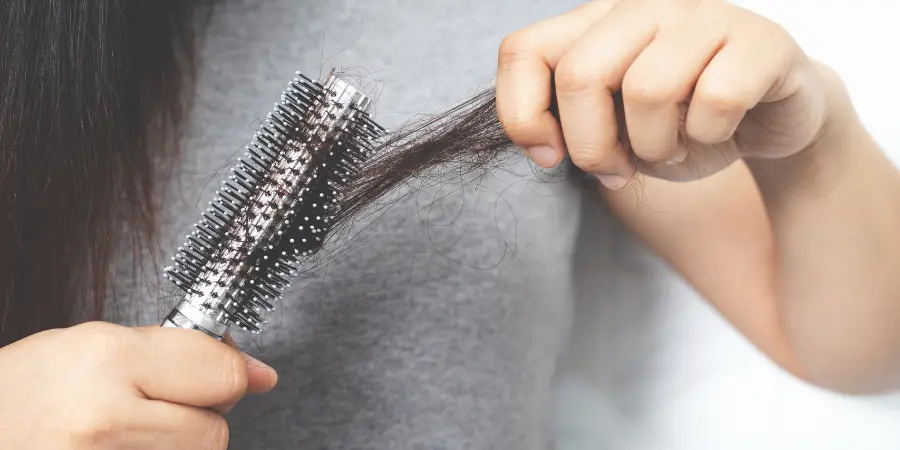
If you’ve recently started a hair treatment and are still noticing hair fall, don’t panic—you’re not alone. Many patients visiting a Skin Doctors in BTM Layout report increased shedding even after beginning treatments like minoxidil or PRP. While it may seem alarming, in many cases, this is actually a normal part of the hair growth cycle and not a sign that your treatment is failing.
Understanding the Hair Growth Cycle
Hair grows in three phases:
- Anagen (Growth phase)
- Catagen (Transition phase)
- Telogen (Shedding phase)
Normally, about 85–90% of hair is in the growth phase, while the rest is in resting or shedding phases.
When this cycle is disrupted, you may experience excessive hair fall.
Why Hair Fall Continues After Starting Treatment
1. Initial Shedding (A Positive Sign)
One of the most common reasons is treatment-induced shedding.
- Treatments like minoxidil push old hair out
- New, healthier hair starts growing in its place
This is called “dread shed” and is temporary. It happens because hair follicles shift from resting to growth phase.
So yes, losing hair after starting treatment can actually mean it’s working.
2. Telogen Effluvium (Stress-Related Hair Loss)
If your hair fall started after:
- Illness
- Stress
- Weight loss
- Hormonal changes
You may be experiencing telogen effluvium, where more hair enters the shedding phase at once.
This condition is usually temporary but can last a few months.
3. Treatment Needs Time to Work
Hair treatments are not instant.
- Visible results take 3–6 months
- Full improvement may take up to a year
Hair regrowth is slow, and patience is key.
4. Wrong Diagnosis or Treatment
Hair loss is not one single condition—it could be:
- Androgenetic alopecia
- Telogen effluvium
- Nutritional deficiencies
A qualified Skin Doctors in BTM Layout will first identify the root cause before recommending treatment.
5. Underlying Health Issues
Hair fall may continue if the root cause is untreated:
- Iron deficiency
- Thyroid imbalance
- Hormonal issues
- Poor nutrition
Until these are corrected, treatments alone may not stop hair loss.
6. Inconsistent Use of Treatment
Skipping medications or stopping abruptly can lead to:
- Continued hair fall
- Rebound shedding
Consistency is crucial for results.
When Should You Be Concerned?
Consult a Dermatologist in BTM Layout if:
- Hair fall continues beyond 3–4 months
- You notice bald patches
- Hair loss is sudden and severe
- No regrowth is visible
What You Can Do to Improve Results
- Follow treatment consistently
- Maintain a protein-rich diet
- Manage stress levels
- Avoid harsh hair styling
- Get blood tests if needed
FAQs
Why am I losing more hair after starting treatment?
This is often due to initial shedding, where old hair falls out to make way for new growth.
Is hair shedding after minoxidil normal?
Yes, it is common and usually temporary, indicating that the treatment is working.
How long does hair shedding last after starting treatment?
It can last a few weeks to a couple of months before improvement begins.
Can stress cause hair fall even during treatment?
Yes, stress can trigger telogen effluvium, leading to continued shedding.
When should I see a doctor for hair fall?
If hair loss persists beyond a few months or worsens, consult a Skin Specialist in BTM Layout.
Will my hair grow back after shedding?
In most cases, yes—especially if the underlying cause is treated properly.
Conclusion
Experiencing hair fall even after starting treatment can feel frustrating, but it’s often a temporary and expected phase. From initial shedding to underlying conditions like telogen effluvium, multiple factors can contribute to ongoing hair loss. The key is consistency, patience, and proper diagnosis. Consulting an experienced Skin Doctors in BTM Layout ensures you receive the right treatment plan tailored to your specific condition, helping you achieve healthier and stronger hair over time.