If you’re experiencing excessive hair fall along with irregular periods or hormonal changes, Polycystic Ovary Syndrome (PCOS) could be one of the underlying causes. Many women seek Hairloss Treatment BTM Layout to address thinning hair caused by hormonal imbalances. Choosing the right Hairloss Treatment BTM Layout can help identify the root cause and create a personalized treatment plan before hair loss becomes severe.
PCOS is a common hormonal disorder that affects women of reproductive age. One of its lesser-known symptoms is female pattern hair loss, which occurs due to increased levels of androgens (male hormones). These hormones can shrink hair follicles, leading to gradual thinning, especially around the crown and parting line. Unlike temporary hair shedding, PCOS-related hair loss often progresses slowly if left untreated.
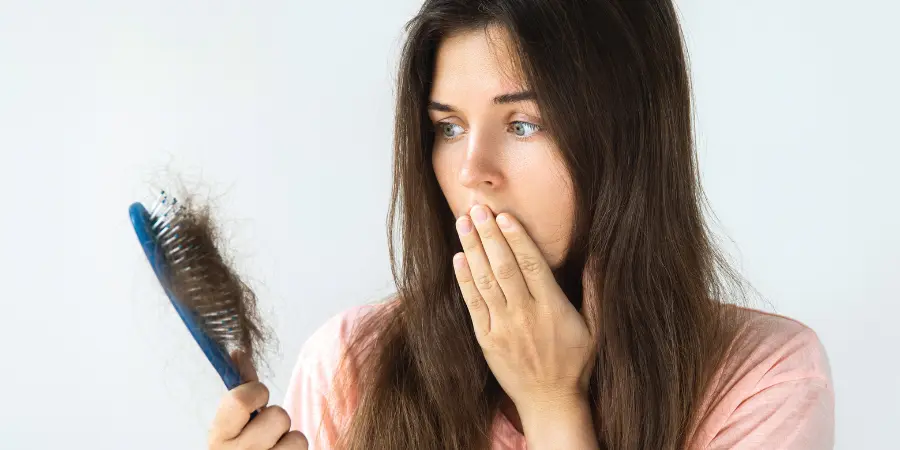
Hair loss associated with PCOS is usually accompanied by other symptoms such as acne, weight gain, irregular menstrual cycles, unwanted facial hair, and difficulty managing insulin resistance. Since these symptoms vary from person to person, a proper medical evaluation is essential for an accurate diagnosis.
The good news is that PCOS-related hair loss can often be managed effectively with early intervention. A dermatologist may recommend medications to balance hormones, topical treatments like minoxidil, nutritional supplements, lifestyle modifications, and advanced procedures such as PRP therapy or other regenerative treatments, depending on the severity of hair loss. Seeking Hairloss Treatment BTM Layout at the earliest stage improves the chances of preserving existing hair and encouraging healthier growth.
Lifestyle also plays a significant role in managing PCOS. Maintaining a healthy weight, following a balanced diet rich in protein, iron, zinc, and vitamins, exercising regularly, and managing stress can support overall hormonal health and reduce excessive hair shedding.
If you notice persistent hair thinning or excessive hair fall that doesn’t improve after a few months, don’t ignore it. Consulting a specialist for Hairloss Treatment BTM Layout can help determine whether PCOS or another medical condition is responsible. Early diagnosis and personalized treatment offer the best opportunity to restore healthier, stronger hair and improve confidence.
Conclusion
PCOS is one of the leading hormonal causes of hair loss in women, but timely diagnosis and expert care can make a significant difference. If you’re experiencing persistent hair thinning, seeking Hairloss Treatment BTM Layout can help identify the underlying cause and provide a personalized treatment plan to restore healthier, fuller hair.
FAQs:
1. Can PCOS permanently cause hair loss?
PCOS-related hair loss can often be controlled and improved with early diagnosis and appropriate treatment.
2. How do I know if my hair loss is due to PCOS?
Hair loss combined with irregular periods, acne, weight gain, or excess facial hair may indicate PCOS.
3. What is the best treatment for PCOS hair loss?
Treatment may include hormone management, topical medications, PRP therapy, lifestyle changes, and nutritional support.
4. Can hair grow back after treating PCOS?
Many women experience improved hair growth once hormone levels are managed and treatment is started early.
5. When should I visit a hair specialist for PCOS hair loss?
If hair thinning continues for more than 2–3 months or worsens, consult a dermatologist for evaluation and treatment.