
Psoriasis is a chronic autoimmune condition that primarily affects the skin but can also have far-reaching effects on overall health. It occurs when the immune system triggers an accelerated growth cycle of skin cells, leading to thick, scaly patches, redness, and inflammation. Though it is not contagious, psoriasis can significantly impact a person’s quality of life. Understanding its effects on both skin and overall health is crucial for managing the condition effectively.
Impact on the Skin
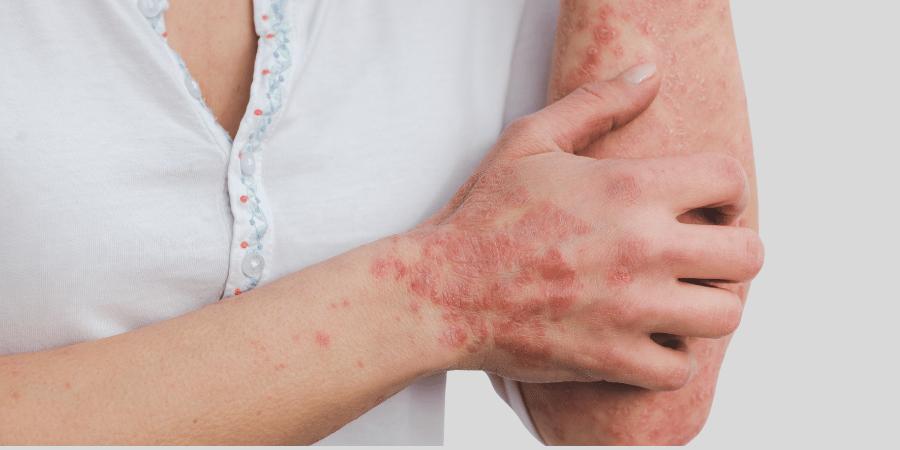
The most visible effect of psoriasis is on the skin. Common symptoms include red, raised patches covered with silvery scales, often appearing on the elbows, knees, scalp, and lower back. These patches can be itchy, painful, and prone to cracking and bleeding. In severe cases, psoriasis can cause discomfort during daily activities, making it challenging to perform simple tasks or wear certain clothes.
Psoriasis can also affect the nails, leading to pitting, thickening, or discoloration. Nail psoriasis is not just a cosmetic concern—it can cause pain and limit hand function. Additionally, the constant inflammation and scratching can make the skin vulnerable to infections, requiring careful monitoring and treatment under the guidance of a Best Skin Doctor in BTM Layout.
Effects on Overall Health
Psoriasis is more than just a skin condition. Research shows that it is linked with systemic inflammation, which can contribute to other health issues. People with psoriasis are at higher risk of developing psoriatic arthritis, a condition that causes joint pain, stiffness, and swelling. Inflammation from psoriasis can also increase the risk of cardiovascular diseases, diabetes, and metabolic syndrome.
Moreover, living with psoriasis can affect mental health. Many individuals experience stress, anxiety, and depression due to the visible nature of the condition and societal stigma. Addressing both physical and emotional health is key to comprehensive psoriasis management.
Managing Psoriasis
While there is no permanent cure for psoriasis, symptoms can be effectively managed through a combination of lifestyle changes, topical treatments, and medications prescribed by a Best Skin Doctor in BTM Layout. Moisturizing regularly, avoiding triggers like stress or certain foods, and adhering to prescribed therapies can reduce flare-ups and improve skin health.
FAQs About Psoriasis
- Is psoriasis contagious?
No, psoriasis cannot be transmitted from person to person. It is an autoimmune condition caused by immune system dysfunction. - Can diet affect psoriasis?
Yes, certain foods like fatty foods or processed sugars can trigger flare-ups in some individuals. A balanced diet rich in fruits, vegetables, and omega-3 fatty acids may help reduce inflammation. - What are the common types of psoriasis?
The most common types include plaque psoriasis, guttate psoriasis, inverse psoriasis, pustular psoriasis, and erythrodermic psoriasis. - When should I see a doctor?
If you experience persistent patches, severe itching, nail changes, or joint pain, consult a Best Skin Doctor in BTM Layout for proper diagnosis and treatment. - Can psoriasis affect mental health?
Yes, many individuals with psoriasis experience stress, anxiety, and depression. Psychological support and counseling can be beneficial alongside medical treatment.
Conclusion
Psoriasis affects not just the skin but also overall health, including joints, heart, and mental well-being. Timely intervention and proper management, guided by a Best Skin Doctor in BTM Layout, can help reduce symptoms and improve quality of life. Understanding the condition, adopting healthy habits, and seeking professional care are essential steps toward living well with psoriasis.