
Cysts are common skin concerns that can appear at any age. If you notice unusual lumps or skin changes, consulting a Top Skin Specialist in BTM Layout can help with proper diagnosis and treatment. While many cysts are harmless, some may cause discomfort, infection, or cosmetic concerns. In this doctor’s talk, we’ll explore what cysts are, their types, causes, symptoms, and the best treatment options available.
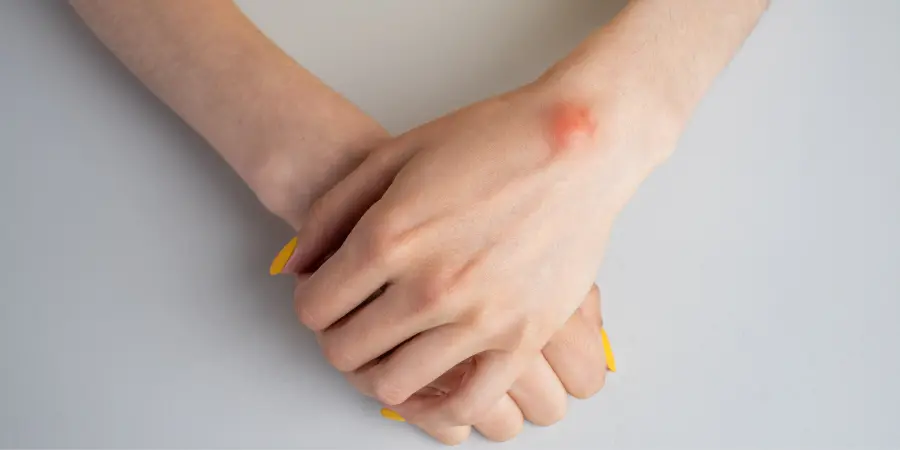
What Is a Cyst?
A cyst is a closed sac-like structure under the skin filled with fluid, pus, keratin, or semi-solid material. They can develop anywhere on the body but are commonly found on:
- Face
- Neck
- Scalp
- Back
- Shoulders
- Chest
Common Types of Cysts
Understanding the type of cyst is important for choosing the right treatment.
1. Epidermoid Cyst
This is one of the most common types of skin cysts. It forms when skin cells move deeper into the skin instead of shedding.
Features:
- Small, round lump
- Slow-growing
- Often found on face, neck, or trunk
- May have a central black dot
2. Sebaceous Cyst
Often confused with epidermoid cysts, sebaceous cysts originate from oil glands. They contain oily material and usually appear on the scalp, face, or back.
Symptoms:
- Smooth swelling
- Foul-smelling discharge if ruptured
- May become red and painful if infected
3. Pilar (Trichilemmal) Cyst
Commonly found on the scalp, these cysts arise from hair follicles.
Characteristics:
- Firm and smooth
- Usually painless
- Often multiple in number
4. Dermoid Cyst
Dermoid cysts are congenital (present at birth). They may contain hair, skin tissue, or other structures.
5. Ganglion Cyst
Though not a skin cyst, ganglion cysts commonly appear near joints, especially the wrist.
What Causes Cysts?
Cysts can form due to:
- Blocked oil glands
- Infection
- Injury
- Genetic factors
- Hormonal changes
When Should You See a Doctor?
Seek medical attention if:
- The cyst grows rapidly
- It becomes painful or red
- There is discharge or foul smell
- It interferes with daily activities
- You are unsure whether it is a cyst
Treatment Options for Cysts
Treatment depends on the type, size, and symptoms.
1. Observation
Small, painless cysts may not require treatment.
2. Medication
Antibiotics may be prescribed if the cyst is infected.
3. Incision and Drainage
If inflamed, the cyst can be drained to relieve pain.
4. Surgical Removal
Complete excision ensures the cyst sac is removed, reducing the risk of recurrence. This is a safe and effective procedure when performed at the Best Dermatology Centres in BTM Layout.
Why Choose a Skin Specialist?
Accurate diagnosis is crucial because not all lumps are cysts. Some may resemble lipomas, abscesses, or other growths.
Consulting a Top Skin Specialist in BTM Layout ensures:
- Proper diagnosis
- Safe removal
- Minimal scarring
- Lower risk of recurrence
- Advanced and hygienic treatment procedures
Frequently Asked Questions (FAQs)
1. Are cysts dangerous?
Most cysts are harmless. However, infected or rapidly growing cysts should be examined by a dermatologist.
2. Can cysts go away on their own?
Some small cysts may shrink, but many remain unless treated.
3. Is cyst removal painful?
Cyst removal is usually done under local anesthesia, making the procedure comfortable and minimally painful.
4. Can a cyst come back after removal?
If the entire cyst sac is not removed, it may recur. Surgical excision at the Best Dermatology Centres in BTM Layout reduces recurrence risk.
5. Is it safe to pop a cyst at home?
No. Squeezing a cyst can cause infection, inflammation, and scarring.
6. How long does recovery take after cyst removal?
Recovery is typically quick, with most patients resuming normal activities within a few days.
Final Thoughts
Cysts are common but should never be ignored, especially if they change in size, color, or cause discomfort. Early consultation and professional treatment ensure better outcomes and prevent complications.
Cysts are common but should never be ignored, especially if they change in size, color, or cause discomfort. Consulting a Top Skin Specialist in BTM Layout early ensures proper diagnosis, effective treatment, and prevention of complications.