
Skin pigmentation changes can sometimes indicate more than just a cosmetic concern. Consulting the Best Dermatologists In BTM Layout is important if you notice unusual changes. One such condition is Acanthosis Nigricans, a common yet often misunderstood skin issue characterized by dark, thickened, velvety patches. While it usually appears on the neck, underarms, and groin, it may also develop on other body folds.
If you’re noticing unusual pigmentation changes, seeking expert evaluation can help identify the root cause and guide you toward effective treatment.
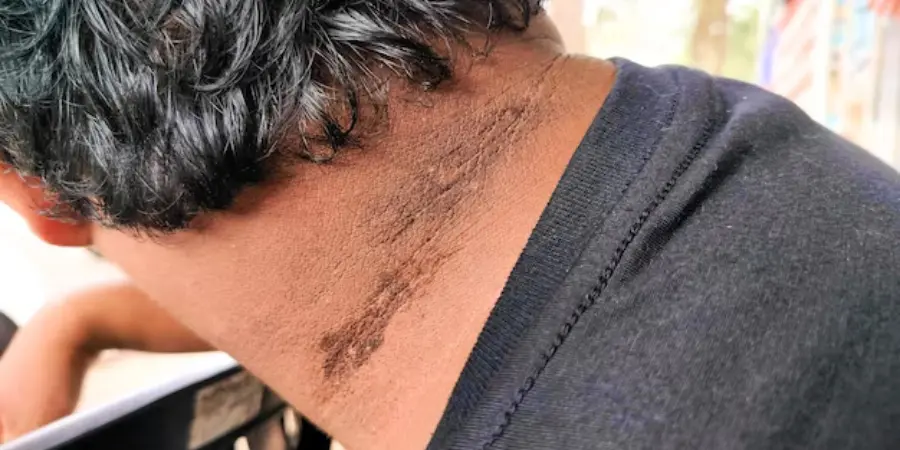
What Is Acanthosis Nigricans?
Acanthosis Nigricans is a skin condition marked by:
- Dark, brownish or black pigmentation
- Thickened, velvety skin texture
- Common appearance on neck, armpits, elbows, knees, and knuckles
Causes of Acanthosis Nigricans
Understanding the underlying cause is crucial for effective treatment.
1. Insulin Resistance
The most common cause. It is frequently associated with:
- Obesity
- Prediabetes
- Type 2 diabetes
High insulin levels stimulate skin cells to multiply rapidly, causing thickened pigmentation.
2. Hormonal Disorders
Conditions such as PCOS (Polycystic Ovary Syndrome) can trigger pigmentation changes due to hormonal imbalance.
3. Genetic Factors
Sometimes, the condition runs in families.
4. Medications
Certain drugs like oral contraceptives or steroids may lead to pigmentation changes.
5. Rare Medical Conditions
In rare cases, Acanthosis Nigricans may be linked to internal malignancies, especially if it appears suddenly and spreads rapidly.
Symptoms to Watch For
- Darkened skin folds
- Thick, velvety texture
- Mild itching or odor in affected areas
- Gradual spreading over time
How Is Acanthosis Nigricans Diagnosed?
Diagnosis typically includes:
- Physical skin examination
- Blood tests to check insulin levels
- Hormonal profile testing
- Additional investigations if required
Treatment Options for Acanthosis Nigricans
Treatment focuses on addressing the root cause while improving skin appearance.
1. Managing Insulin Resistance
- Weight loss
- Healthy diet
- Regular exercise
- Blood sugar control
2. Topical Treatments
Dermatologists may prescribe:
- Retinoids
- Exfoliating creams
- Skin-lightening agents
- Chemical peels
3. Laser Treatments
Advanced laser procedures available at the Best Skin Clinic In BTM Layout can help improve skin texture and pigmentation safely.
4. Hormonal Management
If related to PCOS or endocrine disorders, coordinated care with specialists may be recommended.
Can Acanthosis Nigricans Be Prevented?
While not always preventable, you can reduce risk by:
- Maintaining a healthy weight
- Following a balanced diet
- Managing blood sugar levels
- Avoiding self-medication
- Regular health checkups
When Should You See a Dermatologist?
If home remedies are not effective
If pigmentation appears suddenly
If patches spread rapidly
If associated with unexplained weight changes
Frequently Asked Questions (FAQs)
1. Is Acanthosis Nigricans dangerous?
It is usually not dangerous, but it may indicate underlying insulin resistance or hormonal imbalance that requires medical attention.
2. Can Acanthosis Nigricans go away on its own?
It may improve if the underlying cause, such as weight or blood sugar levels, is managed properly.
3. Is it a fungal infection?
No, Acanthosis Nigricans is not a fungal infection. It is a metabolic or hormonal skin condition.
4. Can laser treatment remove pigmentation completely?
Laser treatments can significantly reduce pigmentation and improve texture when performed by the Best Dermatologists In BTM Layout.
5. Does weight loss help?
Yes, weight reduction can improve insulin sensitivity and reduce pigmentation over time.
6. Are home remedies effective?
Home remedies may offer mild improvement, but professional treatment at the Best Skin Clinic In BTM Layout provides safer and more effective results.
Final Thoughts
Acanthosis Nigricans is more than just a cosmetic pigmentation issue—it can be a sign of underlying metabolic concerns. Consulting the Best Dermatologists In BTM Layout for early diagnosis and targeted treatment can help prevent complications and restore healthy skin appearance.