
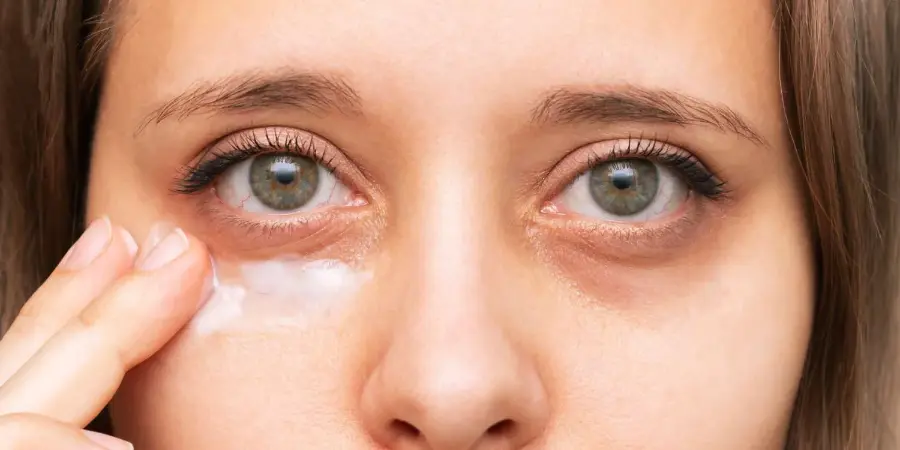
Under-eye pigmentation, commonly known as dark circles, is a common skin concern that affects people of all ages. It can make the face appear tired, dull, or aged, even after adequate rest. Genetics, sun exposure, allergies, ageing, and lifestyle habits can contribute to this condition. Understanding the underlying cause is essential for choosing the right treatment. Consulting a Dermatologist in BTM Layout can help identify the type of pigmentation and develop a personalised skincare plan.
1. Professional Skin and Hair Assessment
Every person's skin and hair are different. A dermatologist can evaluate factors such as skin tone, hair thickness, hair colour, and the area being treated. This assessment helps determine whether laser hair reduction is suitable for you and allows the dermatologist to plan the treatment according to your needs.
2. Appropriate Laser Selection
Different laser technologies and settings may be suitable for different skin and hair types. A dermatologist understands how to select and adjust the appropriate laser parameters while considering your skin's characteristics. This personalised approach can help improve treatment outcomes while reducing the risk of unwanted skin reactions.
3. Better Safety and Skin Protection
Although laser hair reduction is generally considered a safe cosmetic procedure when performed correctly, improper settings or technique can cause problems such as burns, pigmentation changes, irritation, or temporary discomfort. Dermatologists are trained to recognise skin conditions and potential risk factors, making professional supervision particularly important.
4. Personalised Treatment Plans
Laser hair reduction usually requires multiple sessions because hair grows in different cycles. A dermatologist can create a treatment schedule based on your hair growth pattern, treatment area, and response to previous sessions. They can also modify the treatment plan when necessary.
5. Proper Management of Skin Reactions
Some people may experience temporary redness, mild swelling, or sensitivity following treatment. A dermatologist can assess whether a reaction is expected or requires additional care. If you have sensitive skin or an existing skin condition, professional guidance can be especially valuable.
6. Professional Aftercare Guidance
Good results don't depend only on the laser procedure itself. Following proper aftercare is also important. Your dermatologist can advise you about sun protection, skincare products, shaving, and other precautions before and after each session. This can help maintain skin health throughout the treatment process.
Although some causes cannot be completely prevented, simple daily habits can help reduce the appearance of dark circles.
- Get adequate sleep: Aim for seven to nine hours of sleep each night.
- Apply sunscreen: Use broad-spectrum SPF 30 or higher and wear sunglasses to protect the delicate eye area.
- Avoid rubbing your eyes: Treat itching and allergies appropriately to reduce irritation.
- Stay hydrated: Drink enough water throughout the day and maintain a balanced diet.
- Follow a gentle skincare routine: Choose fragrance-free moisturisers and eye products suitable for sensitive skin.
- Manage stress: Regular exercise, relaxation, and a consistent sleep schedule can support overall skin health.
Treatment depends on whether the darkness is caused by excess pigment, visible blood vessels, allergies, or volume loss.
Topical skincare products: A dermatologist may recommend ingredients such as vitamin C, niacinamide, or other suitable pigment-targeting products. These can gradually improve uneven skin tone when pigmentation is the main cause.
Chemical peels: Carefully selected professional peels may help reduce pigment-related dark circles. They must be used cautiously around the eyes to minimise irritation and complications.
Laser treatments: Certain laser procedures may improve pigmentation or visible blood vessels in suitable candidates. Treatment selection depends on skin type and the cause of discolouration.
Dermal fillers: For individuals whose dark circles result mainly from hollows beneath the eyes, professionally administered fillers may help reduce shadows. However, this procedure carries risks and is not appropriate for everyone.
Treatment of allergies or skin conditions: Managing eczema, contact dermatitis, or nasal allergies may help improve associated dark circles.
For safe and effective care, consult a qualified Dermatologist in BTM Layout before starting strong creams, chemical peels, or cosmetic procedures. Avoid applying harsh bleaching agents or prescription products around the eyes without medical guidance.
Conclusion:
Under-eye pigmentation can develop for several reasons, so identifying its cause is the first step towards effective treatment. Consistent sun protection, adequate sleep, gentle skincare, and appropriate medical care can help improve the appearance of dark circles. For personalised advice and suitable treatment options, consult a qualified Dermatologist in BTM Layout to determine the best approach for your skin.
FAQs:
1. What causes under-eye pigmentation?
Common causes include genetics, sun exposure, ageing, allergies, eye rubbing, and excess melanin production.
2. Can under-eye pigmentation be removed permanently?
Results depend on the underlying cause. Treatment can improve its appearance, but genetic factors and age-related changes may persist.
3. Does lack of sleep cause dark circles?
Yes. Insufficient sleep can make existing dark circles more noticeable, although it is not the only cause.
4. Which ingredients help reduce dark circles?
Vitamin C and niacinamide may help with pigment-related darkness. A dermatologist can recommend suitable products for the delicate eye area.
5. Are laser treatments effective for under-eye pigmentation?
They may help selected cases, depending on whether the darkness is pigment-related or caused by visible blood vessels. Results vary.