
Have you ever wondered why a single tiny pimple leaves behind a spot that lasts for months? This is an extremely common frustration among people with Indian skin types. When seeking effective Acne Treatment in BTM Layout, understanding how your skin reacts to inflammation is the first step toward getting clear, even-toned skin.
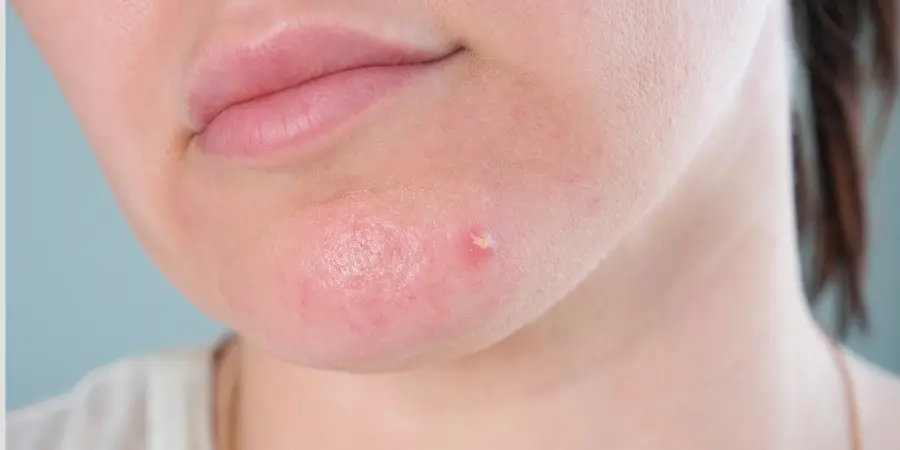
The Science Behind Stubborn Acne Marks
Indian skin naturally contains more active melanocytes—the specialized cells responsible for producing melanin. When a breakout occurs, it triggers an inflammatory response. Your body senses this inflammation as a form of attack or injury. As the pimple heals, melanosomes overproduce melanin pigment in the area, leading to Post-Inflammatory Hyperpigmentation (PIH).
This process leaves behind characteristic brownish-grey or reddish marks. Because this excess pigment can settle deeply into the skin’s layers, these dark spots do not fade overnight. Picking, popping, or scratching active pimples only worsens the inflammation, causing even deeper pigment deposition and potential scarring.
How to Effectively Treat and Prevent PIH
Fading post-acne pigmentation requires a dual strategy: preventing new breakouts and targeting existing pigment. Seeking professional Acne Treatment in BTM Layout ensures you get tailored topical treatments—such as dermatologically prescribed creams, gentle exfoliants, and targeted spot treatments—that regulate melanin production without damaging your skin barrier.
Rather than relying solely on over-the-counter brightening products, controlling active breakouts early is the most effective way to stop dark spots before they start. Combined with patient, targeted dermatological care and daily sun protection, your skin can gradually fade dark marks and regain its natural clarity.
Conclusion:
Acne marks on Indian skin are a natural biological response to inflammation, but they don’t have to be permanent. By avoiding the temptation to pick at breakouts and opting for early, dermatologist-guided treatments, you can manage active acne effectively and achieve a clearer, even-toned complexion.
FAQs:
Q1: What is Post-Inflammatory Hyperpigmentation (PIH)?
PIH is a form of skin hyperpigmentation that occurs after an inflammatory injury or condition, such as acne, leaving dark brownish or reddish spots as the skin heals.
Q2: Why is Indian skin more prone to dark acne marks?
Indian skin naturally has a higher density of active melanosomes and melanocytes, which produce extra melanin in response to inflammation.
Q3: How long do post-acne marks take to fade?
Depending on how deep the pigment sits in the skin layers, dark marks can take anywhere from a few weeks to several months to fully fade without professional intervention.
Q4: Can picking or popping pimples make acne marks worse?
Yes. Squeezing or picking pimples increases trauma and inflammation, causing melanocytes to produce even more melanin and making dark spots deeper and more stubborn.
Q5: Where can I get professional Acne Treatment in BTM Layout?
You can consult local dermatologists and specialized skin clinics offering personalized Acne Treatment in BTM Layout to safely control active breakouts and clear post-acne spots.